Interior Concepts

Design concepts emerge from material relationships. We study how surfaces meet, how light falls, and how spaces feel when occupied.

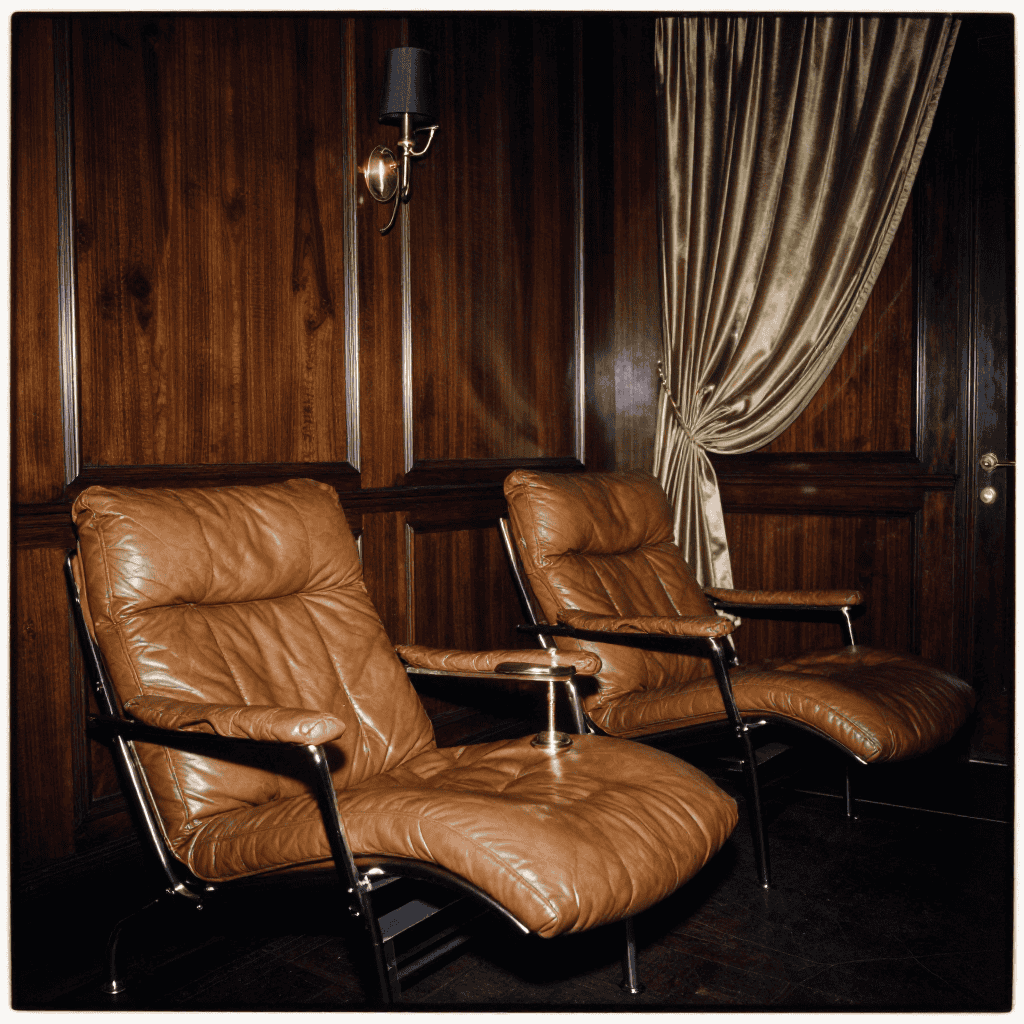
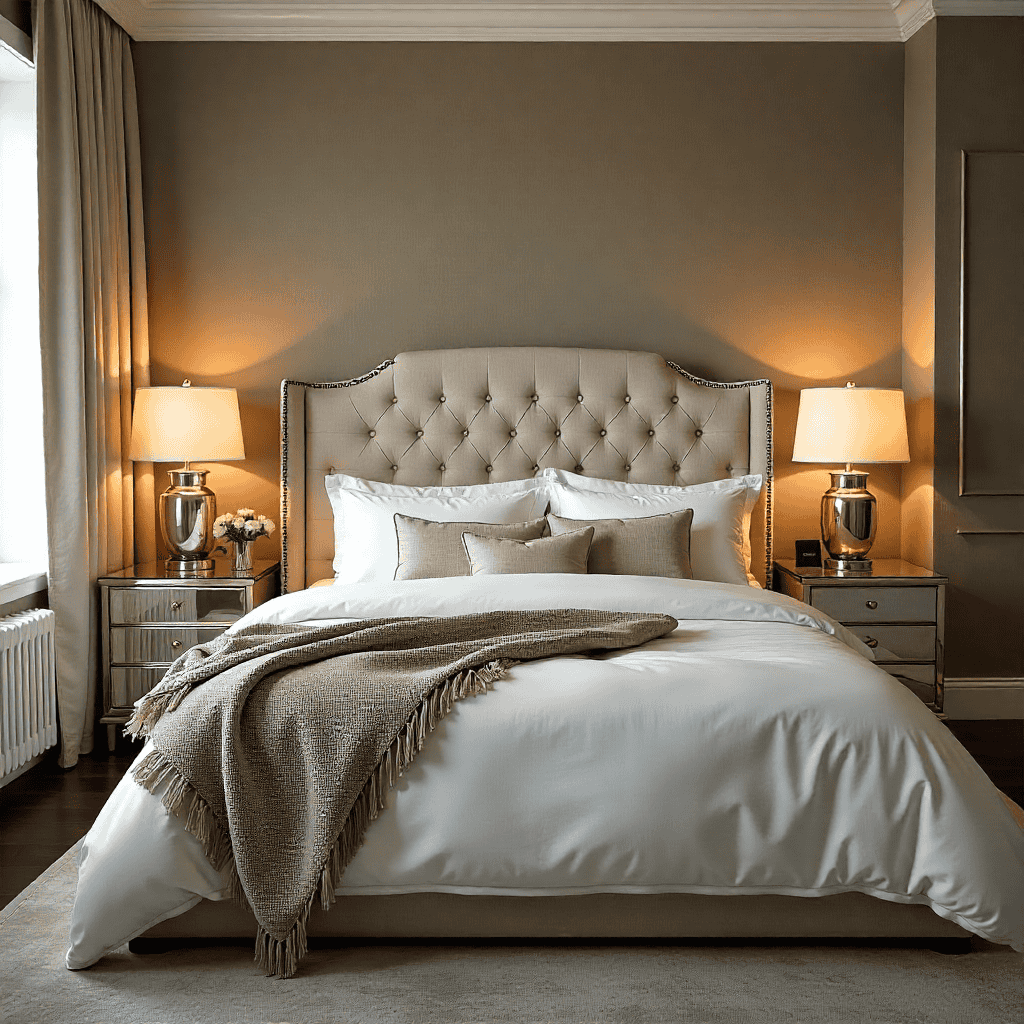
Editorial interior concept spread

Material Dialogues

Every concept begins with material selection. We test combinations through samples and sketches. Stone against wood. Metal against fabric. These relationships define character.

We consider how materials age. Natural stone develops patina. Wood darkens with exposure. Metal oxidizes. These changes are part of the design, not flaws to prevent.
Light Studies

Light determines how we perceive space. We study how daylight moves through rooms at different times. Morning light is different from afternoon light. North-facing rooms require different solutions than south-facing.

Artificial light supplements natural light. We specify fixtures for function, not decoration. Task lighting where needed. Ambient light for atmosphere. Always controlled, never excessive.

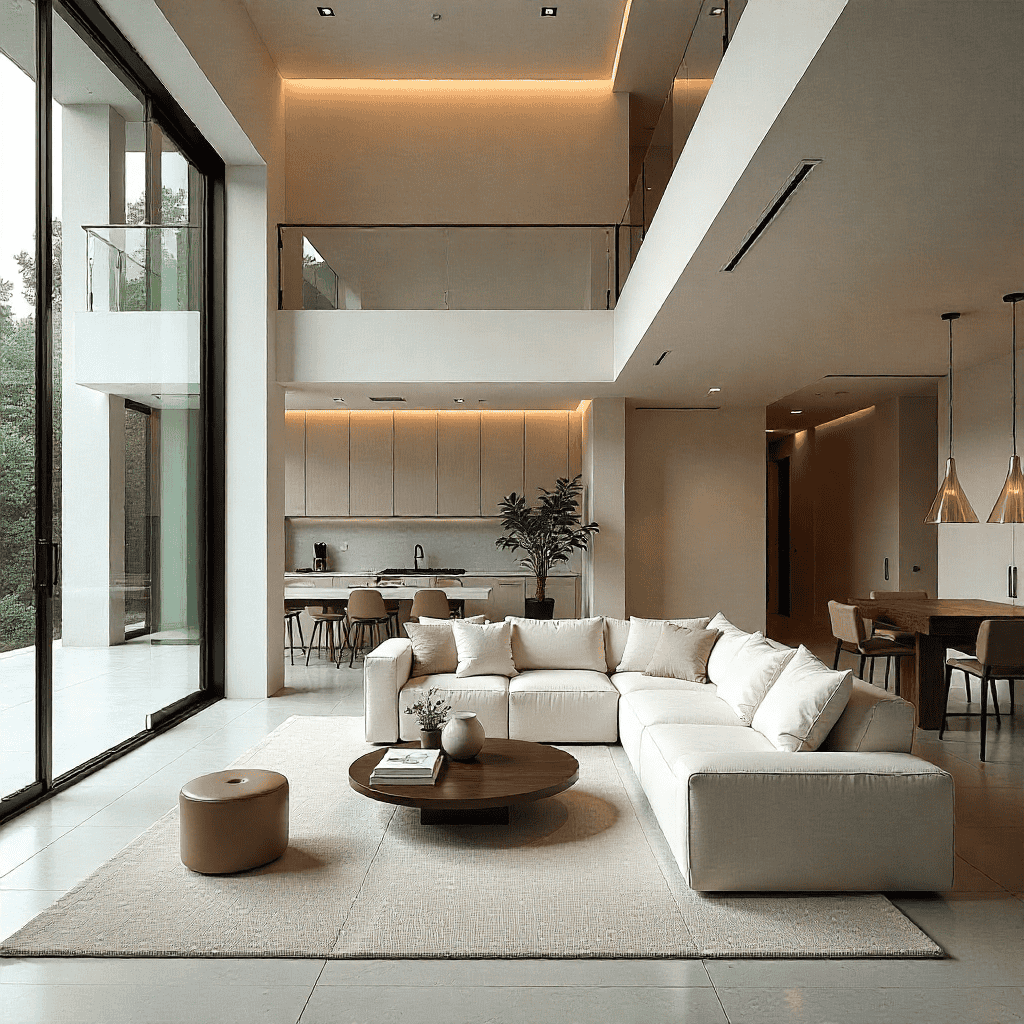
Light study in interior space
Proportion study

Proportion

Objects relate to room dimensions. A large sofa in a small room feels heavy. A small table in a large room feels lost. We scale furniture to space.

Texture composition

Texture

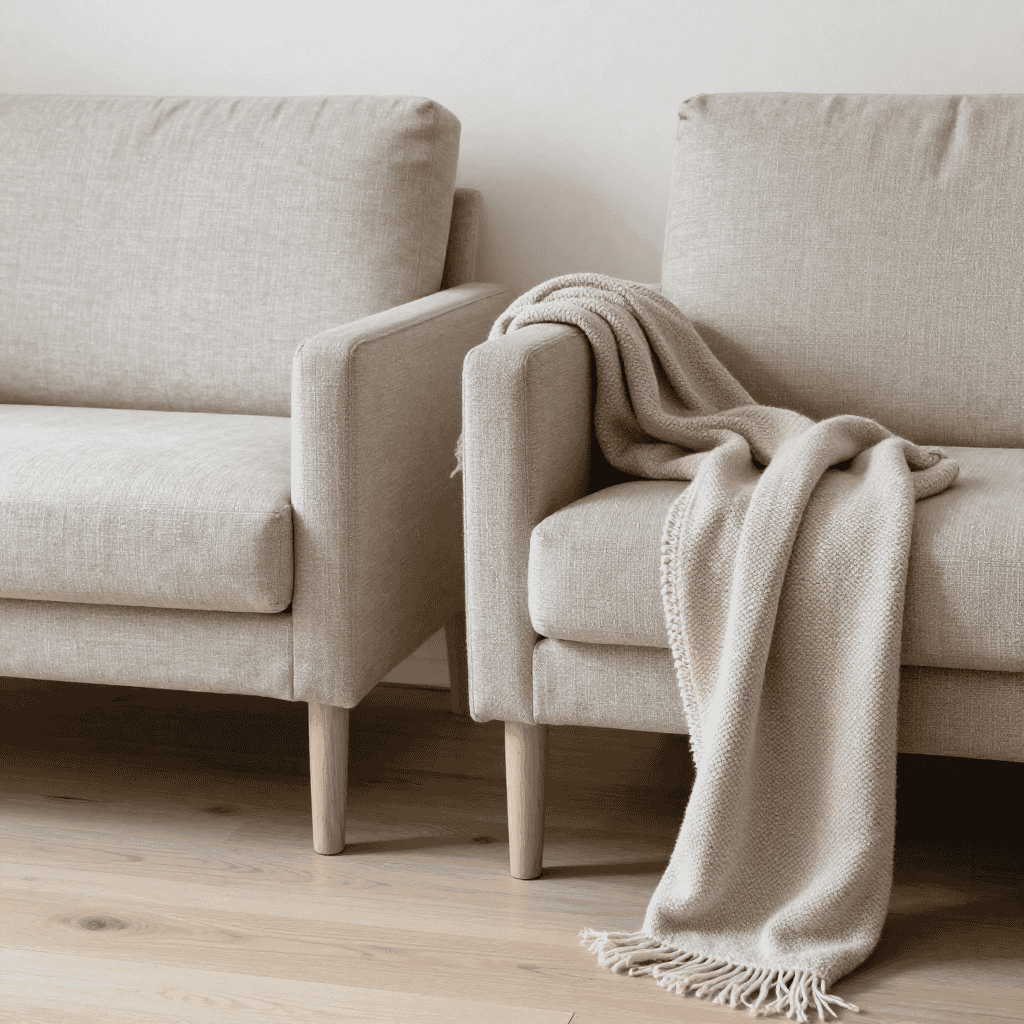
Texture adds depth without pattern. Rough against smooth. Matte against gloss. These contrasts create visual interest through materiality, not decoration.

Concept Development

Each project begins with concept development. We explore material relationships, study light conditions, and test spatial arrangements through sketches and models.

Concepts evolve through iteration. Initial ideas are refined. Materials are tested. Layouts are adjusted. The final design emerges from this process.

Discuss Your Project