Spatial Planning

Layout decisions follow architectural logic. We map circulation, define zones, and position elements in response to structure and light.

Circulation Patterns

How people move through space determines layout. We trace paths from entry to key areas. These paths become the structure for furniture placement.

Wide paths allow comfortable movement. Narrow paths create intimacy. We balance both according to function.

Spatial planning diagram

Functional Zones

Spaces serve specific functions. We define zones through furniture placement, not walls. A reading area is separated from a dining area through careful arrangement.

Each zone needs appropriate light, access to storage, and clear boundaries. Boundaries are implied, not built.
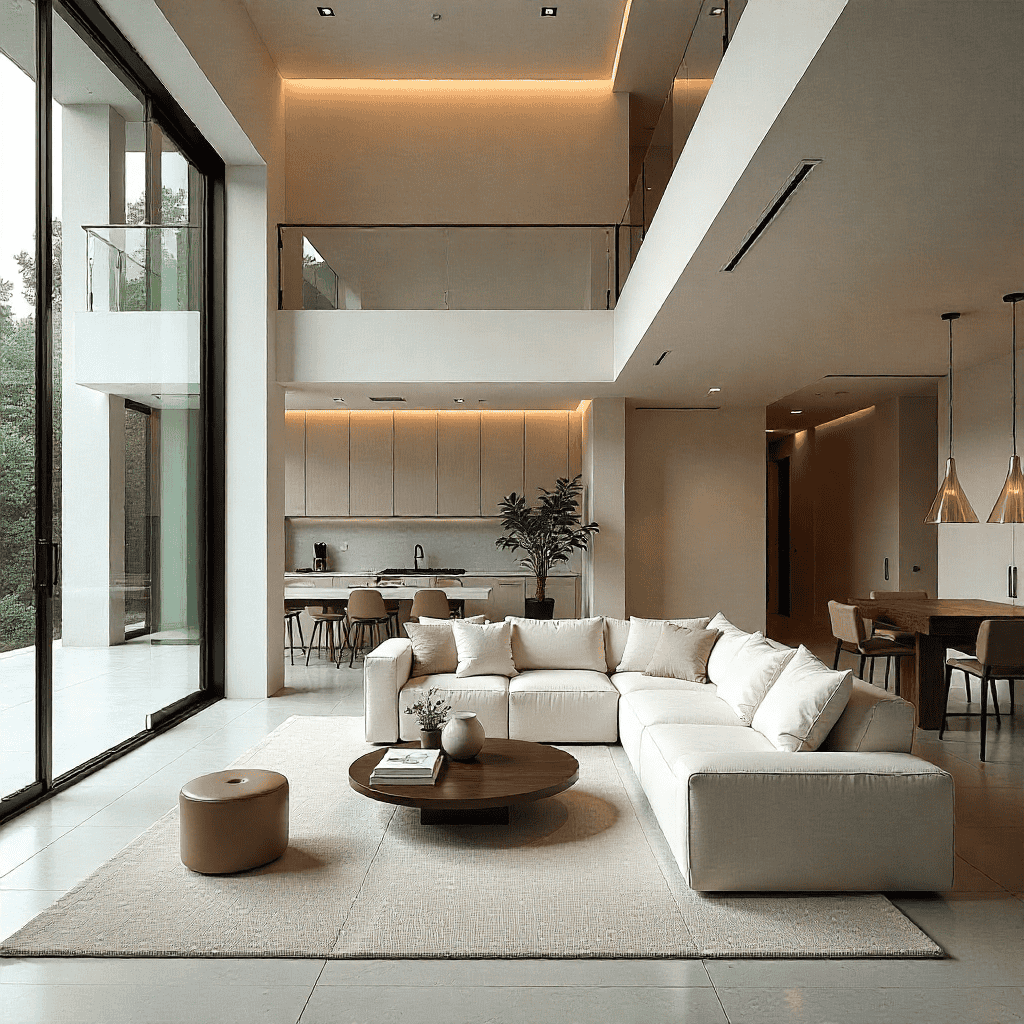
Functional zone layout

Scale & Proportion

Furniture relates to room dimensions. We measure spaces before selecting pieces. A large room can accommodate larger furniture. A small room requires careful scaling.

Ceiling height affects perception. High ceilings allow taller elements. Low ceilings require lower profiles. Planning adapts to existing conditions.
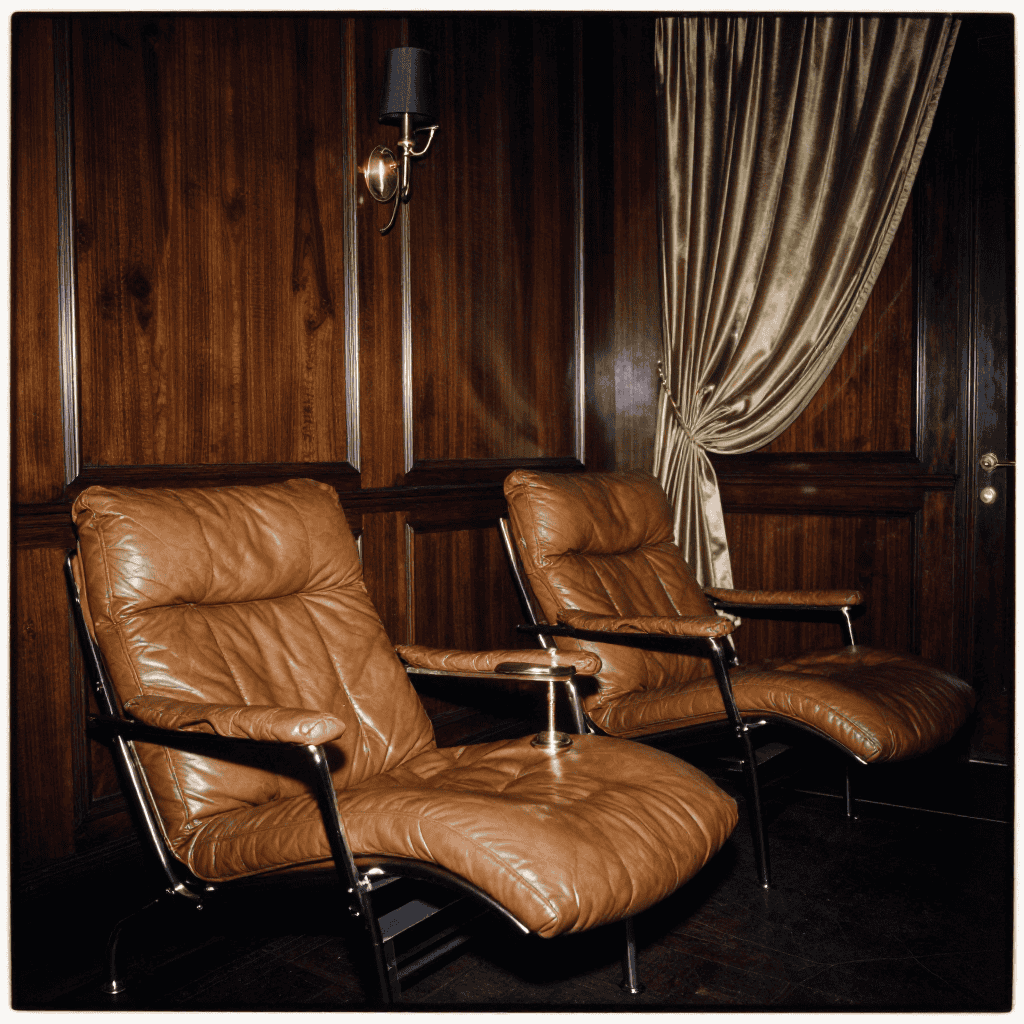
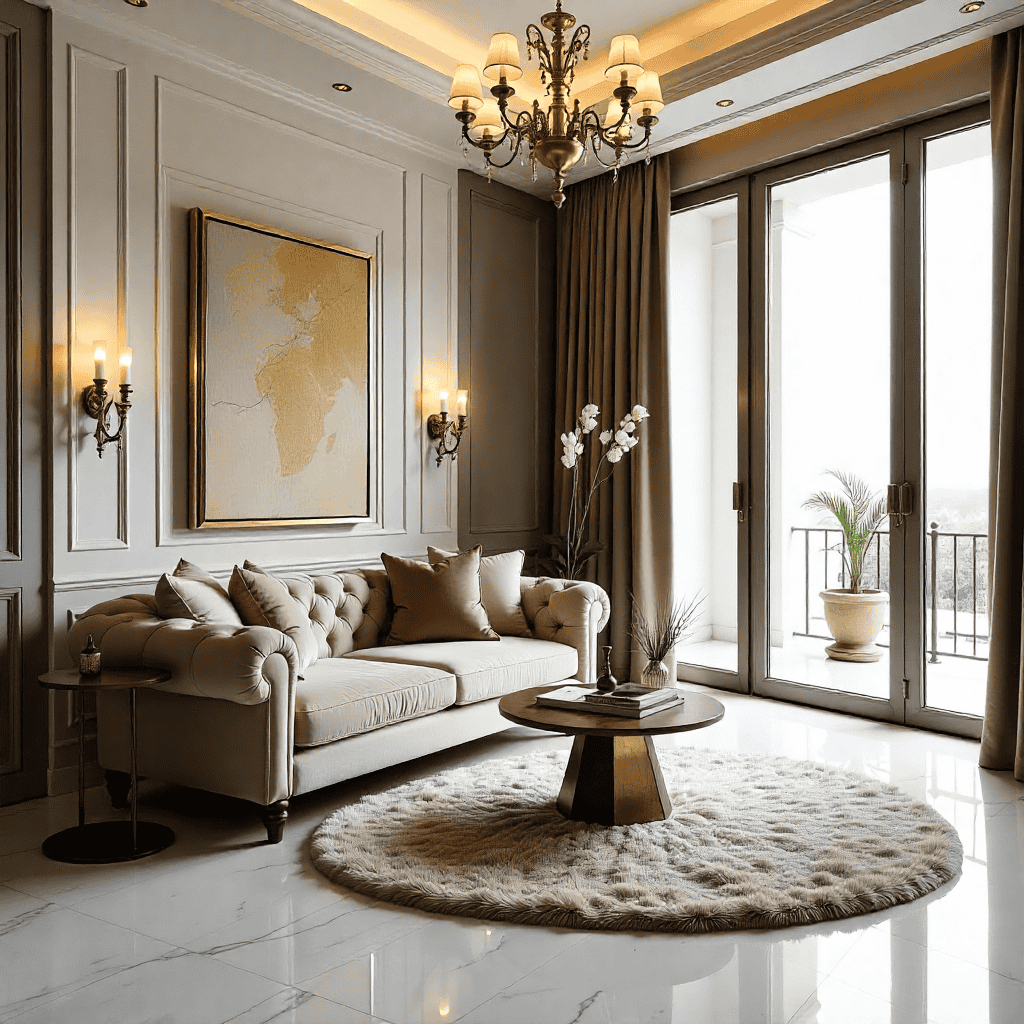
Scale and proportion study

Light as Guide

Natural Light

Window placement determines layout. We position seating to face windows. Work surfaces receive direct light. Storage occupies darker areas.

Orientation matters. North light is consistent but cool. South light is warm but intense. We respond to these qualities.

Artificial Light

Artificial light supplements daylight. We specify fixtures for function. Task lighting for work areas. Ambient lighting for atmosphere.

Light levels are controlled. Dimmer switches allow adjustment. We avoid over-lighting, which flattens space.

Light planning in space

Planning Process

We begin each project by studying existing conditions. Measurements are taken. Light is observed. Structure is understood.

Layouts are developed through sketches and models. We test arrangements before finalizing. Adjustments are made based on function and flow.

The final plan balances all considerations: circulation, function, scale, and light. Each element has a reason for its position.

Discuss Planning