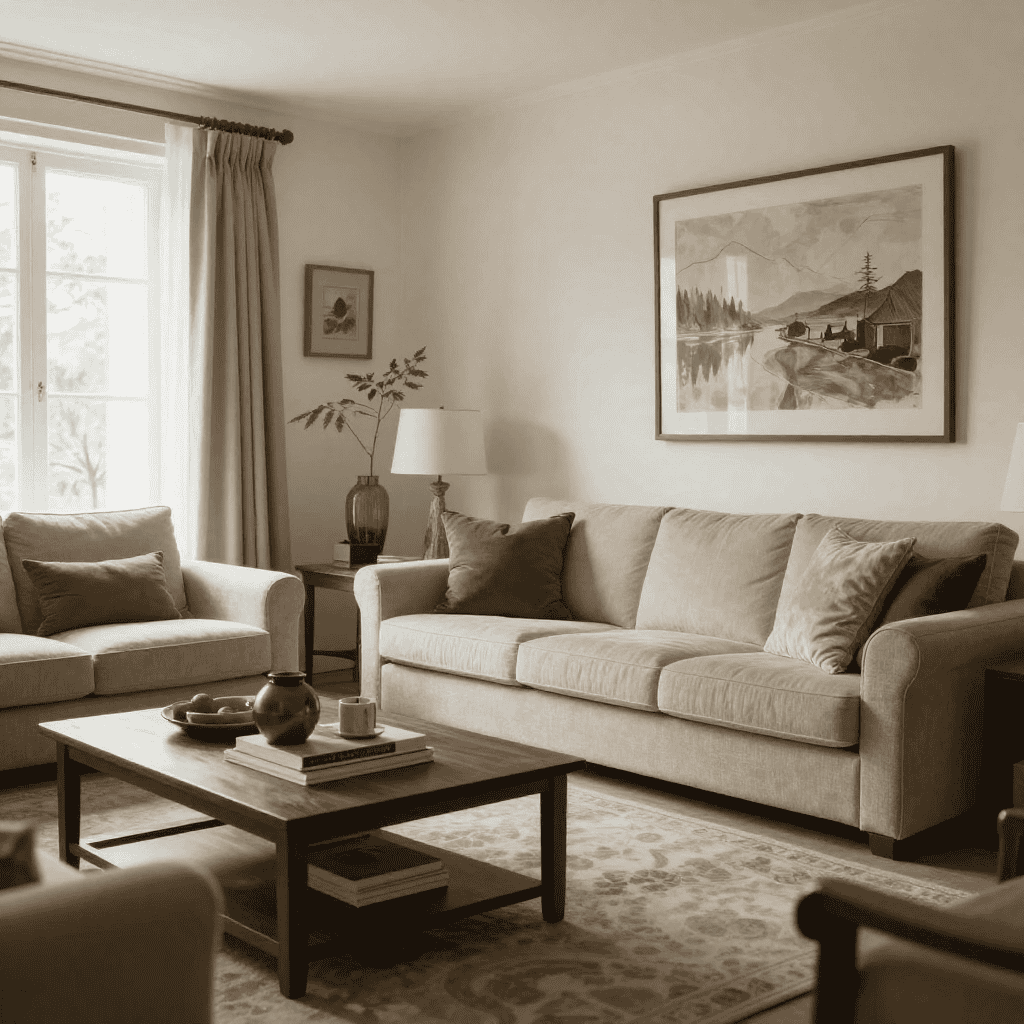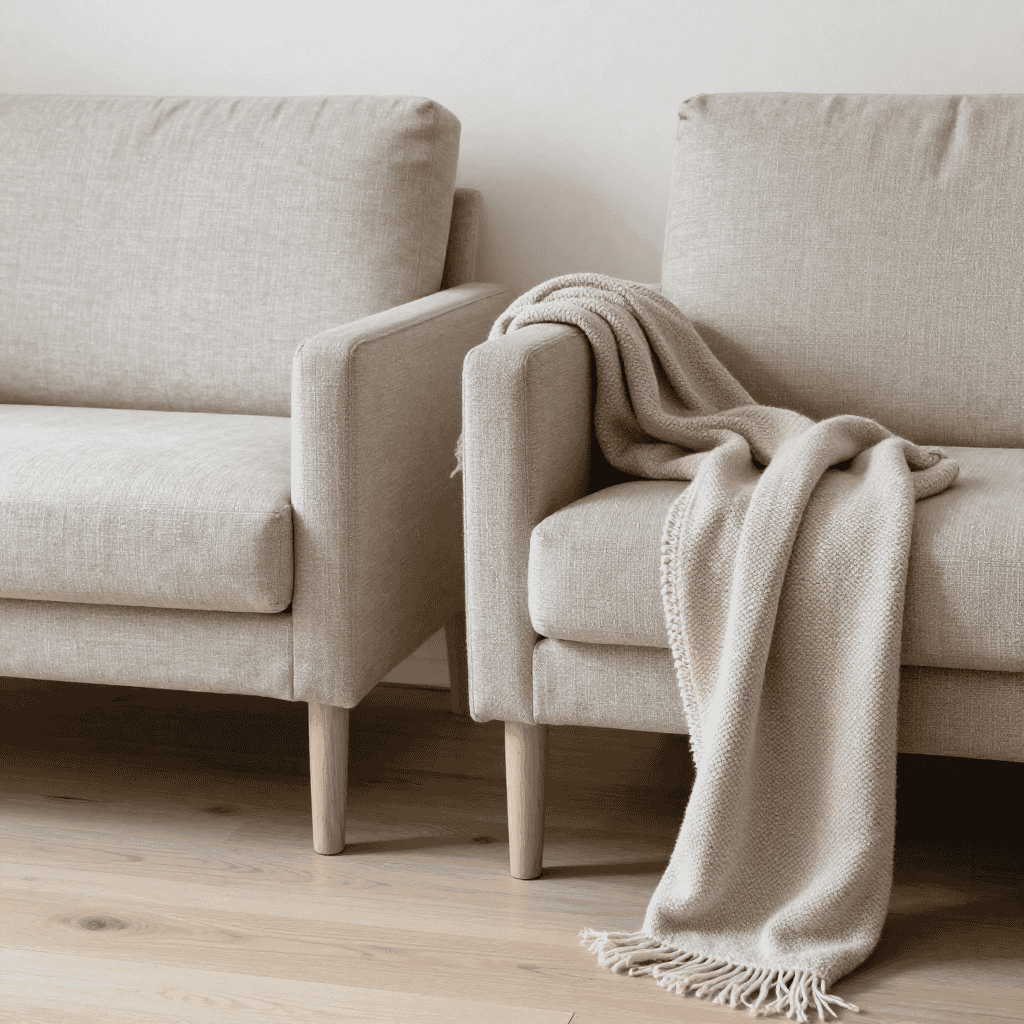
Residential environments demand thoughtful equilibrium. Personal spaces require tranquility, while communal areas benefit from adaptability. Our designs reflect authentic living patterns.
This apartment in Melbourne responds to Australian light. North-facing windows receive consistent daylight. We positioned seating to maximize natural light while maintaining views.
Storage is integrated into walls. Built-in cabinets replace freestanding furniture. Surfaces are continuous, creating calm.
Materials are chosen for how they respond to light. Light-colored stone reflects daylight. Wood adds warmth. Textiles soften hard surfaces.
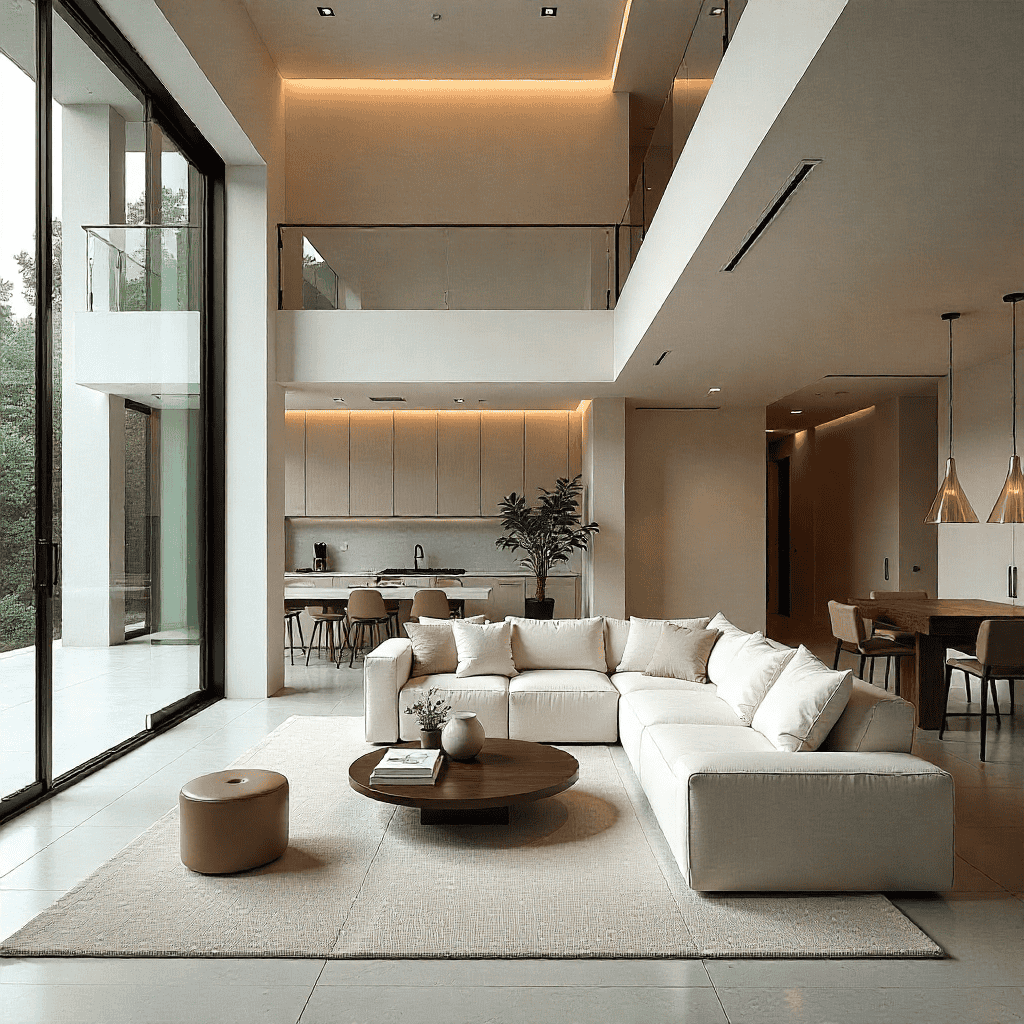
This home receives consistent north light. Cool, even illumination throughout the day. The design responds to this quality, employing materials that respond to soft light.
Spaces flow without doors. Living, dining, and kitchen areas are defined through furniture placement. Boundaries are implied, not built.
Bedrooms require quiet. The design prioritizes rest over activity. Storage solutions are integrated. Surfaces remain minimal. Light is carefully controlled.
Window treatments block light when needed. Blackout curtains for sleep. Sheer curtains for privacy with light. We specify both.
Materials are chosen for comfort. Soft textiles. Warm wood. Surfaces that feel good to touch. These details matter in private spaces.
Each home is different. We respond to existing architecture, client needs, and available light. No template applies to all projects.
Design decisions prioritize durability. Surfaces that age gracefully. Furniture that endures. Materials that improve with use. Investment in quality provides lasting value.
Practicality forms the foundation. Visually appealing environments that fail functionally are unsuccessful. Our methodology harmonizes visual appeal with real-world usability. Both elements are fundamental.