Natural Stone
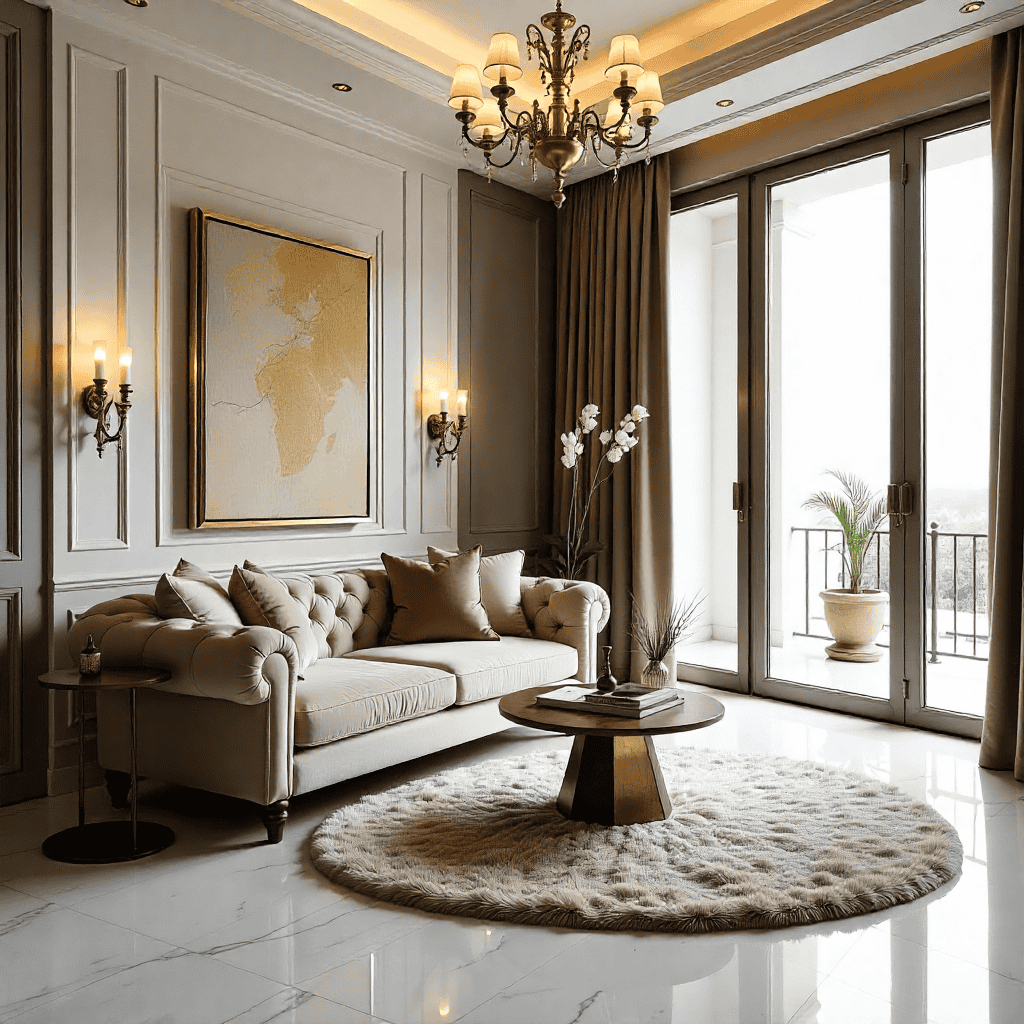
Stone brings weight and permanence. Our practice prioritizes local materials when possible. Australian bluestone, limestone, and travertine are common selections.
Stone ages gracefully. Surfaces develop patina. Edges soften with use. These changes add character, not defects.
We specify finishes carefully. Polished surfaces reflect light. Honed surfaces absorb light. Textured surfaces add grip.
Wood
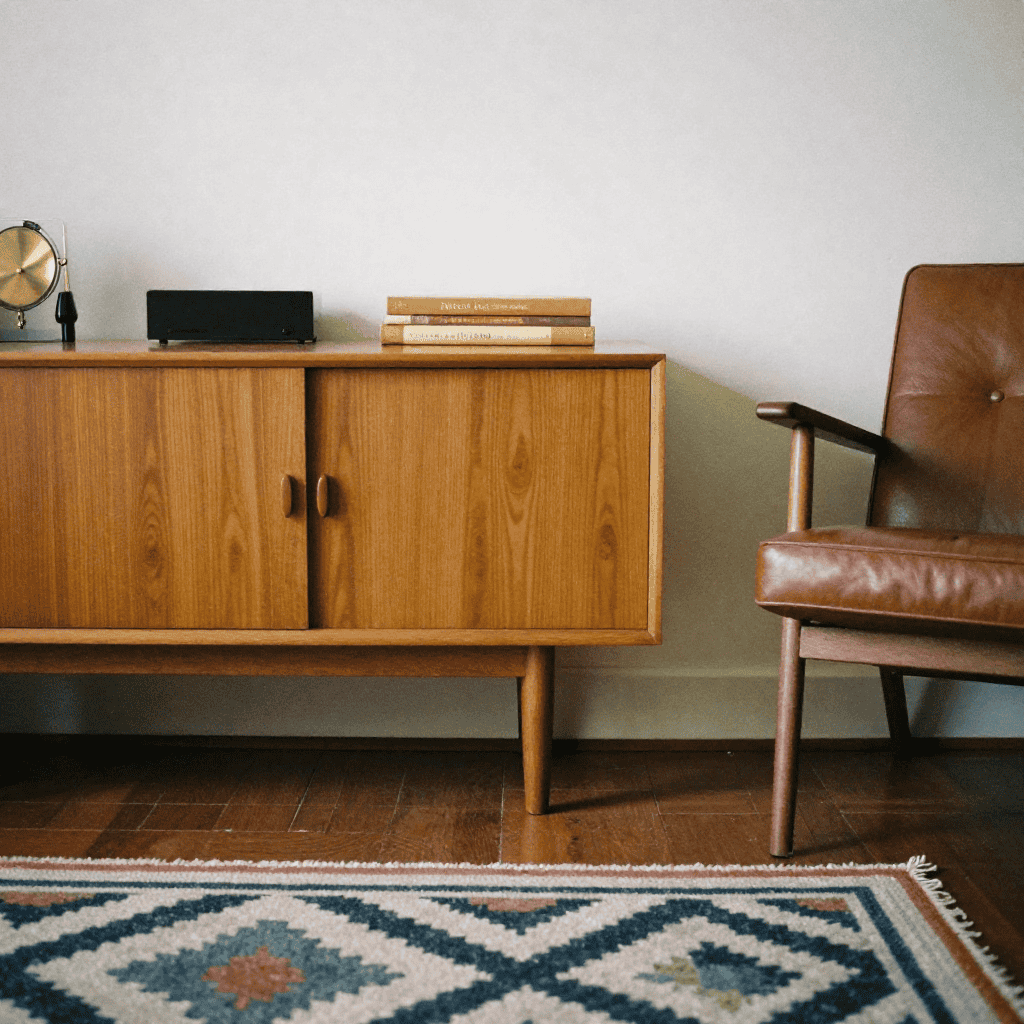
Wood adds warmth and texture. Species selection focuses on grain pattern and color. Oak, walnut, and teak are frequent choices.
Grain direction affects appearance. We orient boards to create rhythm. End grain shows differently than face grain.
Finishes protect while allowing wood to breathe. Oil finishes enhance grain. Varnish provides durability. We match finish to use.
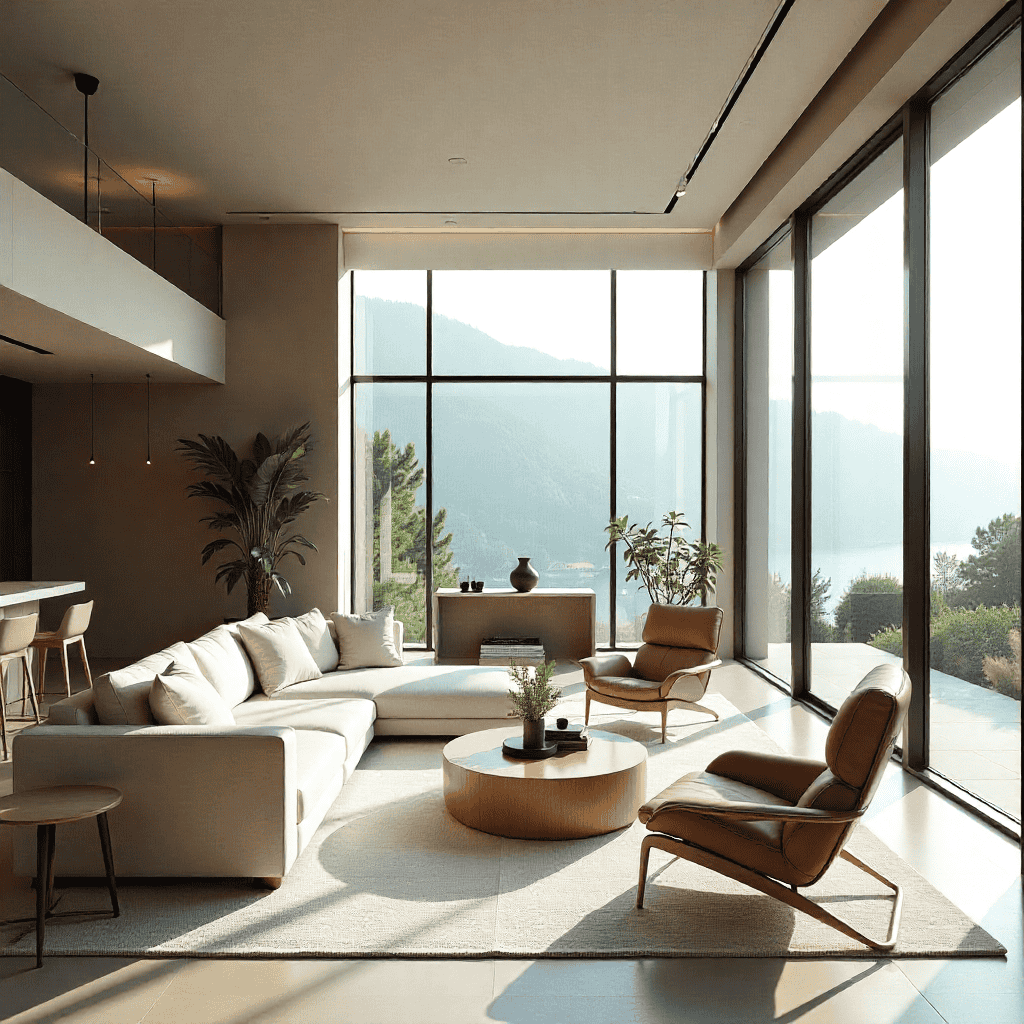
Textiles
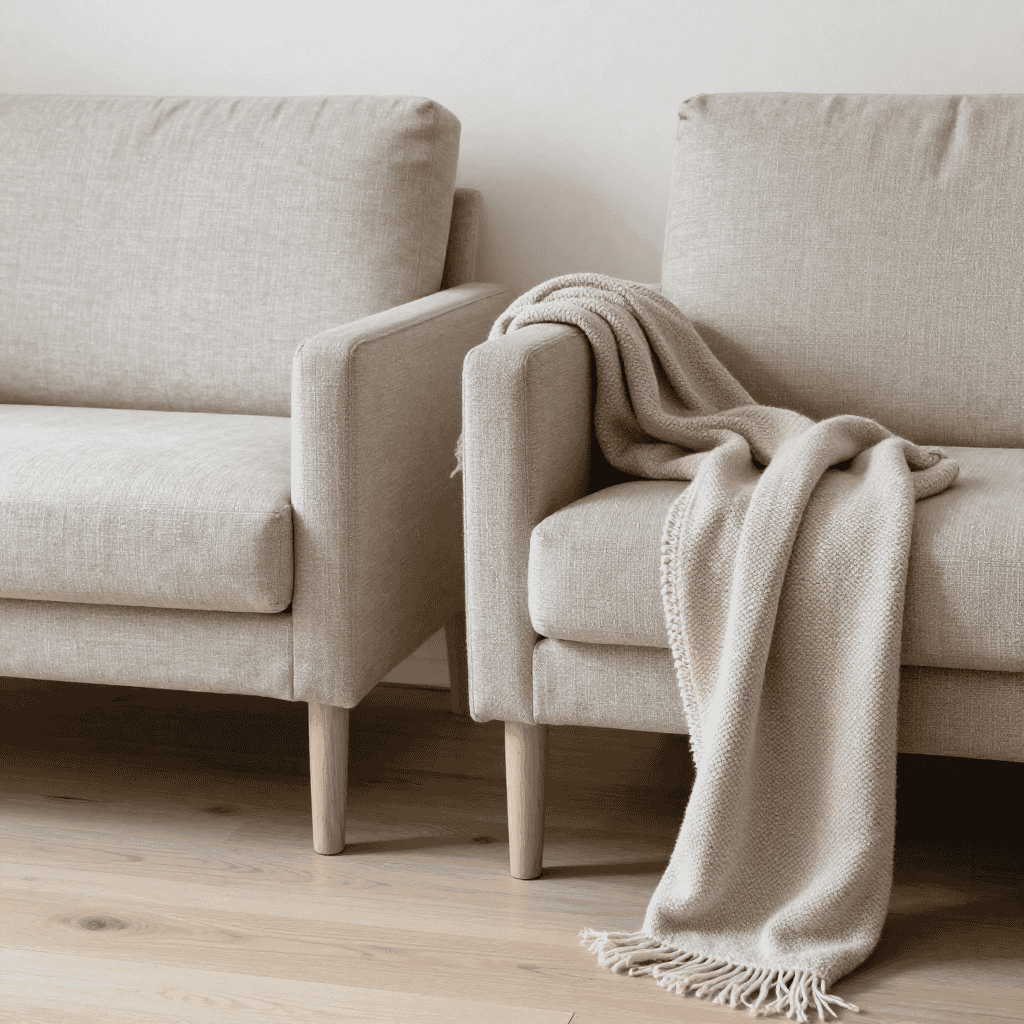
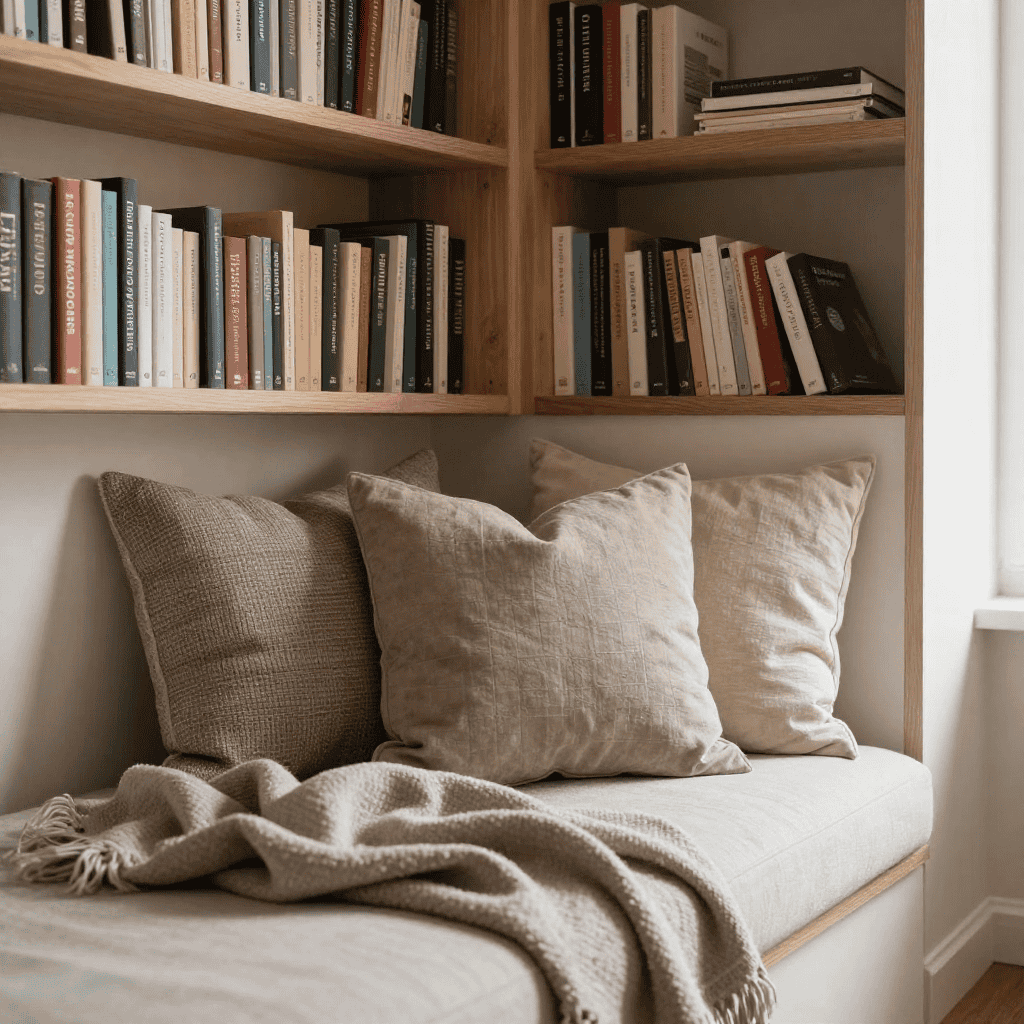
Fabric softens hard surfaces. Textile selection emphasizes texture over pattern. Linen, wool, and cotton are preferred materials.
Texture creates interest. Rough linen contrasts smooth surfaces. Soft wool adds comfort. We layer textures for depth.
Color is chosen for how it responds to light. Natural fibers age well. Synthetic blends offer durability. We balance both.
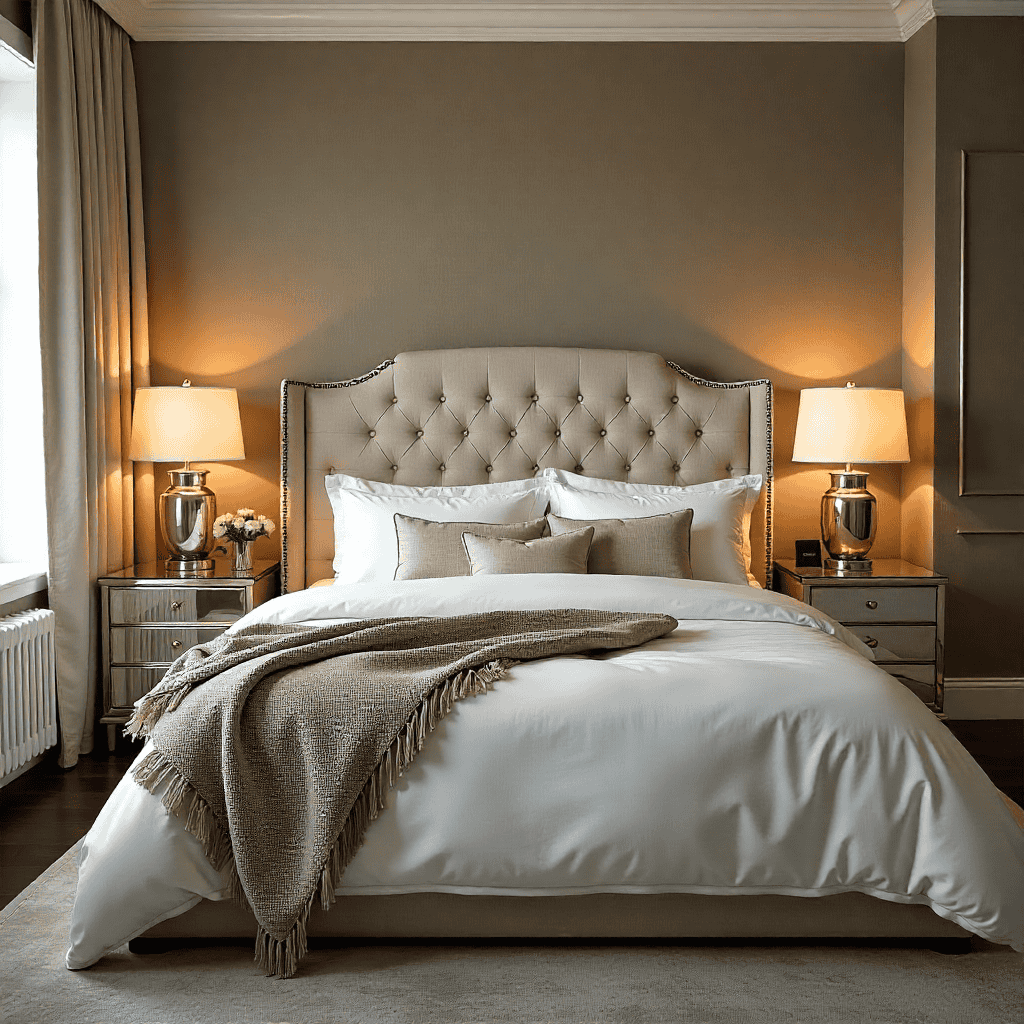
Metal
Metal provides contrast and detail. Our practice employs metal sparingly, for hardware, lighting, and structural elements.
Finishes are selected for how they age. Brass develops patina. Steel rusts if unprotected. Appropriate treatments are specified.
Metal reflects light differently than other materials. Polished surfaces create highlights. Matte finishes absorb light. Both are employed strategically.